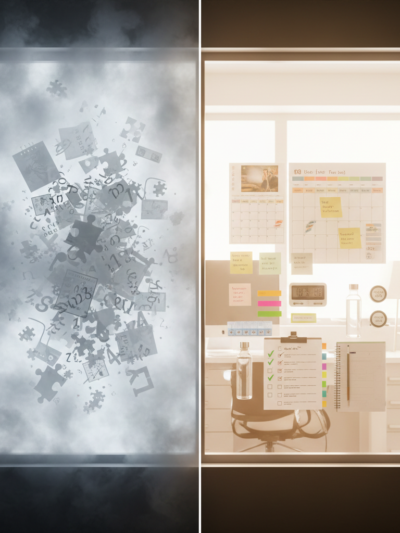
Support Tools for Chronic Illness — Organized by Symptom

Discover practical, non-medical tools people use to manage fatigue, pain, brain fog, mobility limits, and daily overwhelm. Support tools for chronic illness — organized by symptom

A simpler way to find support tools

Symptom-first

Browse by fatigue, pain, brain fog, and daily challenges — not diagnoses.

Practical tools only

No medical advice. Just planners, aids, supports, and everyday tools only

Built for low-energy days

Clear descriptions, calm layout, and no overwhelm.

Browse by symptom

8 Listings

Brain Fog & Focus

Tools that support memory, focus, and cognitive clarity. <p data-start="2015" data-end="2229">Brain fog can affect memory, attention, and the ability to think clearly. Many people describe feeling mentally slowed, easily overwhelmed, or unable to focus for long periods, even when they are trying their best.</p> <p data-start="2231" data-end="2469">This category includes non-medical support tools that people often use to reduce cognitive load, support focus, or simplify information processing. These tools are designed to work with limited mental energy rather than demand more of it.</p> <p data-start="2471" data-end="2739">Tools here are commonly explored by people who struggle with concentration, forgetfulness, or decision fatigue. Listings prioritize clarity, simplicity, and ease of use, with many tools designed for short focus windows, gentle structure, or low-pressure daily support.</p>
12 Listings

Chronic Pain

Support tools for managing daily pain, stiffness, and flare days <p data-start="2791" data-end="2978">Living with chronic pain can affect daily routines, comfort, mobility, and rest. Pain levels may fluctuate, making it difficult to plan activities or maintain consistency from day to day.</p> <p data-start="2980" data-end="3234">This category features non-medical support tools that people commonly use to support comfort, positioning, gentle relief, or daily adaptations. These tools are not treatments, but practical aids that may help people manage tasks or rest more comfortably.</p> <p data-start="3236" data-end="3486">Tools in this category are often used during pain flares, while resting or seated, or in short and gentle sessions. Listings focus on how and when tools are typically used, helping users decide whether a tool fits their comfort level and daily needs.</p>
9 Listings

Fatigue & Low Energy

<p data-start="1199" data-end="1405">Fatigue related to chronic illness often goes beyond ordinary tiredness. Many people experience persistent low energy that does not improve with rest and makes everyday tasks feel difficult or overwhelming.</p> <p data-start="1407" data-end="1672">This category includes non-medical support tools that people commonly use to conserve energy, simplify routines, and reduce physical or mental effort on low-energy days. These tools are not treatments, but practical aids designed to make daily life more manageable.</p> <p data-start="1674" data-end="1958">Tools in this category are often chosen by people who have limited energy throughout the day, prefer very low-effort options, or need tools usable while seated or in bed. Many listings focus on short sessions, simple use, and gentle support during fluctuating energy levels or flares.</p> <p data-start="1674" data-end="1958">.</p>
9 Listings

Mobility & Joint Support

Aids that make movement, grip, and joint support easier. <p data-start="5029" data-end="5216">Mobility challenges and joint discomfort can affect movement, balance, and the ability to complete daily tasks. Symptoms may vary throughout the day, requiring flexibility and adaptation.</p> <p data-start="5218" data-end="5443">This category includes non-medical support tools that people commonly use to assist with movement, stability, or joint comfort. These tools are intended to support daily activities, not replace medical care or rehabilitation.</p> <p data-start="5445" data-end="5710">People often explore this category when experiencing joint stiffness, limited range of motion, or reduced stability. Listings emphasize how tools are typically used and in what context, helping users assess whether a tool fits their mobility needs and energy level.</p>
7 Listings

Sensory Sensitivity

Tools that reduce sensory overload (light, sound, texture). <p data-start="3545" data-end="3710">Sensory sensitivity can make everyday environments feel overwhelming. Light, sound, texture, or temperature may cause discomfort or fatigue, even in familiar spaces.</p> <p data-start="3712" data-end="3957">This category includes non-medical support tools that people often use to reduce sensory input, soften environments, or create calmer personal spaces. These tools are designed to support comfort and reduce overload, not to eliminate sensitivity.</p> <p data-start="3959" data-end="4258">People browsing this category often feel overwhelmed by light or noise, experience sensory overload during daily activities, or prefer calming and adjustable tools. Listings highlight options that support personal comfort and low-stimulation routines, with attention to effort level and ease of use.</p>
5 Listings

Sleep & Recovery

Supports for rest, sleep quality, and recovery routines. <p data-start="4314" data-end="4500">Sleep challenges are common for people managing chronic illness. Difficulty falling asleep, staying asleep, or waking feeling unrefreshed can impact energy, focus, and daily functioning.</p> <p data-start="4502" data-end="4732">This category includes non-medical support tools that people often use to support rest, comfort, and recovery routines. These tools do not treat sleep conditions but may help create more supportive sleep or wind-down environments.</p> <p data-start="4734" data-end="4965">Tools here are commonly used in bed, during rest periods, or as part of evening routines. Many listings focus on passive or low-effort use, helping users identify options that fit into recovery-focused days without adding pressure.</p>

Featured support tools

Know a helpful support tool?

If you use a tool that makes daily life easier, you can submit it for review.

Sign In

Register

Reset Password

Please enter your username or email address, you will receive a link to create a new password via email.